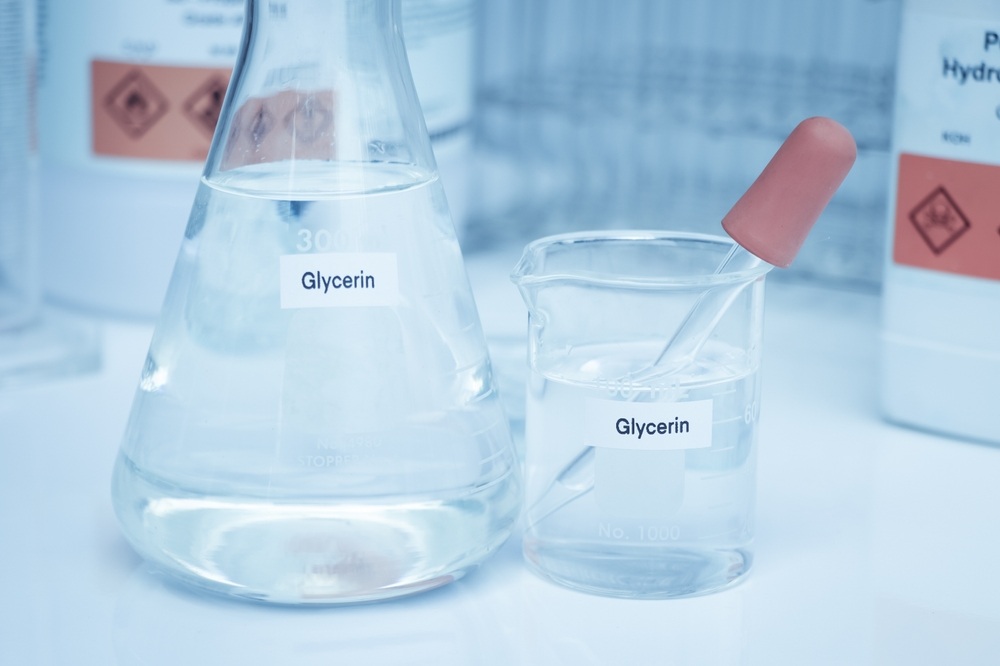
TL;DR:
Is glycerin bad for teeth? Despite persistent online myths, current scientific evidence does not support the idea that glycerin harms enamel or blocks remineralization. In fact, glycerin has long been used in toothpaste and oral care products because it helps retain moisture, improve texture, and support overall oral comfort.
In this blog, you’ll learn what glycerin actually does in toothpaste, why the “glycerin teeth myth” became popular, and what the research says about glycerin and oral health.
- Glycerin is considered “generally recognized as safe” (GRAS) for oral use.
- There’s no reputable evidence showing glycerin blocks fluoride or hydroxyapatite from remineralizing teeth, and therefore supports cavity prevention.
- Glycerin may actually support oral health by helping retain saliva and moisture, which is essential to remineralization.
- Most concerns about the side effects of glycerin in toothpaste are not supported by current scientific research.
- Choosing a dentist-backed, evidence-based toothpaste formulation matters far more than avoiding glycerin alone.
Current scientific research considers glycerin to be a “generally regarded as safe” (GRAS) additive to cosmetic and oral care products.
You’ve probably heard information to the contrary. Specifically, you might have heard that glycerin blocks enamel remineralization or even that it damages teeth. This idea, often called the “glycerin teeth myth”, has become pervasive (and convincing) in wellness circles, and it’s understandable why. But does science actually support it?
The answer is no.
Let’s dive a little deeper into the glycerin debate now.
How Glycerin Has Become Controversial (& Why it Shouldn’t Be)
Concerned parents have often come to me, often after reading information online, wondering whether glycerin is safe. It’s completely reasonable – even important – to question ingredients and want safe and effective oral care, especially when choosing products for your family.
That said, glycerin has been safely used in toothpaste and oral care products for many decades. In oral care products, glycerin functions to retain moisture, improve texture, and support oral comfort. It can actually be very beneficial to people with chronic dry mouths.
The bottom line is that for a majority of individuals, there’s no evidence-based reason to avoid glycerin in toothpaste or other oral care products.
What Glycerin is & How it Supports Oral Health
Glycerin is a naturally derived compound that is often sourced from plant oils. In toothpaste, mouthwash, and other oral care products such as mouth sprays, it functions as a humectant, which means it helps retain moisture and prevents dehydration.
While a dry mouth might sound like a minor inconvenience, saliva plays a major role in helping to neutralize harmful acids, deposit minerals onto teeth in a process called remineralization (which helps prevent cavities), and maintain a healthy mouth pH and oral microbiome.
The biggest concern surrounding glycerin in toothpaste is the claim that it leaves a coating on the teeth that prevents minerals like calcium, phosphate, fluoride, or hydroxyapatite from reaching the enamel.
On the surface (pun intended), this theory seems to make sense…something that coats the teeth seems like it would act as a barrier to processes like remineralization. The problem is that glycerin is water-soluble.
Just as a shirt that covers a body allows for water to seep through, glycerin allows for moisture, via saliva, and the minerals it carries, to seep through, invalidating the so-called “glycerin teeth myth”.
Glycerin has also not been shown to have any signs of toxicity or effects on blood or urine production, meaning there’s also no strong evidence suggesting that most people need to avoid glycerin during pregnancy.
The Bottom Line: The opposite of the “glycerin teeth myth” is true. It may help remineralization through attracting and retaining saliva, and it certainly has not been shown by any reputable studies to hurt remineralization efforts by coating the teeth.
Glycerin in Toothpaste Side Effects: Should You Avoid It?
Generally speaking, no. Glycerin is usually well-tolerated and regarded as a low-risk ingredient in oral care products.
That said, oral care is highly individualized. Occasionally, someone may react to a specific toothpaste formula, but this is usually related to the entire formulation—not glycerin alone.
If you’ve been using glycerin products and are having a reaction, I recommend switching to a different product and talking to a reputable dentist for alternative suggestions.
Glycerin vs. Sorbitol Toothpaste: Which Should I Use?
Like glycerin, sorbitol is generally regarded as safe (GRAS) for oral use. Both glycerin and sorbitol are humectants, which help retain moisture and promote a comfortable mouthfeel.
The difference is in how these ingredients achieve moisture attraction and retention. Glycerin has a smooth texture and supports hydration. Meanwhile, sorbitol is a sugar alcohol, so it adds mild sweetness, which some users appreciate.
Neither ingredient is inherently harmful to teeth when used appropriately in toothpaste formulations. In fact, what matters far more is the overall quality of the product, including its:
- Fluoride or hydroxyapatite content
- Abrasiveness level
- pH balance
- Dry mouth support
- Evidence-based formulation
So, What’s the Bottom Line?
There’s currently no scientific evidence to support the conclusion that glycerin is dangerous or that it inhibits the efficacy of anticavity agents like fluoride or hydroxyapatite.
If you still have concerns about glycerin or other common mouthcare ingredients, or want to learn how whole mouth health supports whole body health, read my book “If Your Mouth Could Talk”.
Meanwhile, if you’re looking for dentist-formulated, evidence-based toothpaste, mouthwash, floss, or other oral care products that are safe and effective for the whole family, I invite you to check out SuperMouth oral care systems. Catering specifically to individuals of different ages, stages, and oral care needs, these products also contain various ingredients that have been shown to promote oral health.