TL;DR:
What happens when kids don’t brush their teeth?: In short, they’re at risk for a range of preventable oral health issues that can impact not just their smiles, but their overall health, development, and well-being. In this blog, you’ll learn the effects of not brushing teeth, how to help kids build better habits, and why consistent oral hygiene is a must—even for toddlers.
Key takeaways:
- Tooth decay in kids is one of the most common chronic diseases—but it’s preventable with daily brushing and flossing.
- Dental plaque in children can lead to cavities, gum disease, bad breath, and mouth infections.
- Poor oral hygiene can affect a child’s ability to eat, speak, concentrate, and thrive at school.
- Yes, you can get cavities from not brushing your teeth—even baby teeth!
- Tips for making brushing fun include music, timers, games, and modeling good habits as parents.
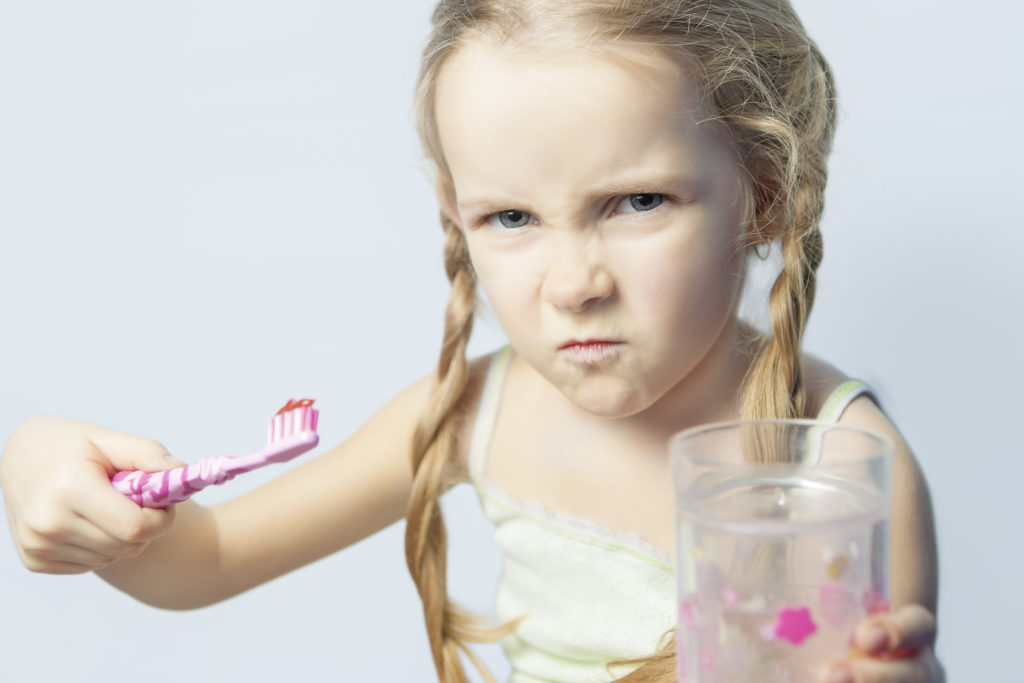
It’s rare that you find kids who really love the process of brushing their teeth properly, so kids who don’t brush their teeth well are a frequent frustration for many parents. Some parents may even wonder if it’s worth the battle to make sure their kids brush well and often enough. And I’m here to say, as both a dentist, and a parent myself, I get it.
But the truth is, brushing teeth (and flossing) are both essential activities for kids and adults alike. That’s why all dentists will tell you: this is one battle worth winning, and there are some great ways to do just that.
Here’s what to do if you have one (or more!) of those kids that don’t brush their teeth.
Why is Brushing Teeth Important for Kids?: Uncovering the Dangers of a Poor Dental Routine
Have you ever wondered why it’s worth the bother to make sure your kids brush their teeth twice a day, every day, and brush them properly? If you have, it can be helpful to learn more about what happens when kids don’t brush their teeth.
Simply put, kids who don’t brush their teeth can suffer from numerous highly preventable problems. They can develop:
- Cavities from bacterial acid that eats away enamel
- Gum disease caused by untreated plaque buildup
- Bad breath from food debris and decaying bacteria
- Painful infections that may require emergency treatment
- Nutritional problems from difficulty chewing
- Speech delays in toddlers due to dental discomfort
- Missed school days and lowered academic performance
You may find the last fact surprising. But it’s not at all an exaggeration. Children with poor oral health have even been shown to miss more days of school and have lower grades. That’s a big impact from a preventable problem!
The bottom line is this: tooth decay is one of the most common chronic diseases experienced by children, but it can be prevented with proper oral care. Sometimes, it’s just about finding the right way to make it a regular and enjoyable part of your daily routine with your kids.
Importance of Oral Hygiene for Young Children
When it comes to oral hygiene for kids, it’s essential to establish a routine early and stick to it.
- Wipe baby gums with a soft cloth twice daily
- Begin brushing as soon as the first tooth erupts
- Schedule their first dental visit by age one
- Use a rice-sized smear of toothpaste for children under 3, and pea-sized for ages 3+
- Always supervise brushing until at least age 6–8, and keep checking technique through age 12
Tips for Kids Under 6: Young children under 6-years-old will need help brushing their teeth, and it’s important that you monitor how much toothpaste they use and whether they spit it out properly. Help in the form of a singing toothbrush or fun flavored toothpaste never hurts either!
Tips for Kids Over 6: Even once your child is over the age of 6, you should still watch them brush their teeth to ensure that they are brushing effectively. You may need to help them with both brushing and flossing from time to time.
Tips for Kids Up to 12: Up until your kids are about 12-years-old, you’ll probably still need to pay close attention to their oral hygiene. You’ll want to check and make sure they are brushing their teeth correctly twice a day, flossing daily, and using the right oral care products.
3 Ways for Parents to Make Brushing More Fun and Engaging
One of the most important ways to get your kids to maintain excellent oral hygiene is to set a great example. Kids tend to do what we model for them, so if they see their grownups brushing and flossing their teeth regularly, they’re much more likely to do the same.
Kids who don’t brush teeth frequently have parents who don’t brush teeth. If you skip important steps, your kids probably will, too. Try to brush teeth with your kids in the mornings to show them that you value your dental health as much as you value theirs. From there, it’s all about getting them engaged. Here’s how.
1. Educate and Engage
Sometimes the best way to introduce a new concept with kids is often with a picture book? Using a new book or a video with a favorite character could help encourage your kids to get excited about taking great care of their mouths.
As kids get older, learning the truth about harmful dental fads like teeth filing can be surprisingly effective.
It can also be helpful to make sure they know products to avoid by researching things together like, “ Are charcoal toothpastes safe?”
2. Use a Timer & Play Music
Often, kids who don’t brush teeth for the full two minutes or floss properly say they feel like it’s boring or takes too long.
A fun timer can help ensure that they brush long enough and can also make brushing teeth feel like more of an event. Look for a timer they can use themselves or try using a small hourglass.
You can also play/sing their favorite song or recite a nursery rhyme that takes the full two minutes. Bonus points if your kids want to brush and floss every time they hear it!
3. Turn Brushing into a Game
When in doubt, make a game out of it. If your toddler won’t brush teeth, pretend there are little sugar creatures you have to capture with the toothbrush and rinse away down the sink!
See who in the family can remember to brush without a reminder each day for a reward. Make up a new character with a silly voice who helps your child brush their teeth.
Whatever gets your kids interested and engaged when it comes to brushing their teeth is a great idea.
Encouraging Kids That Don’t Brush Their Teeth
Now that you know what happens when kids don’t brush their teeth, it’s important to encourage your child to brush regularly and floss well.
Try some of the methods above to get your kids engaged in brushing and teach them to keep their mouths and bodies healthy.
To learn more about how a healthy mouth can benefit the health of your entire body, order your copy of If Your Mouth Could Talk by Dr. Kami Hoss.
Looking for more tips and tricks? Check out this informative article, with helpful information about tooth cleaning for kids vs. adults!
Don’t Forget to Visit the Dentist 1-2 Times a Year!
You should schedule preventative dental visits with tooth cleanings once to twice a year for yourself and your children. In many cases, for insured individuals, these are covered visits with no out of pocket expense. For the uninsured and underinsured, the cost of these visits over time is still much cheaper than the cost of dental treatment.
FAQs About Kids Who Don’t Brush Teeth
What happens when you don’t brush your teeth?
Generally speaking, when you don’t brush your teeth, plaque builds up and bacteria can start damaging your enamel and gums. Over time, this usually leads to issues such as gum inflammation, bad breath, cavities, and even more serious dental issues like teeth that fall out—even in kids.
What happens if a child doesn’t brush their teeth?
If a child doesn’t brush their teeth on a regular basis, they’re at risk for tooth decay, gum disease, bad breath, and even more serious issues like pain, infections, and missed school days. Poor oral hygiene can also impact speech development and eating habits.
How do I get my child to brush their teeth?
Try turning brushing into a fun, rewarding activity. Brush together, use timers or music, and let your child choose their toothbrush or toothpaste. You can also use visual aids or games to build interest.
Is it normal for kids to not want to brush their teeth?
Yes! It’s very common, especially for toddlers and younger children. The key is consistency, encouragement, and finding ways to make brushing part of a fun daily routine so they can learn the importance of brushing their teeth and make it into a consistent habit.
How long can you go without brushing your teeth?
Even 24-48 hours of skipipng can lead to significant plaque buildup, bacteria growth, and bad breath. After just days, bacteria begin to damage enamel and gums. While it may be okay if you or your little one forgets to brush their teeth every so often, you should absolutely NOT aim to skip a single day of brushing or flossing if at all possible.
What happens if you don’t brush your teeth for 10 years?
This is a question better left untested! Over time, severe tooth, decay, gum recession, and bone and tooth loss are all likely to occur. Most of these effects, however, are preventable with a daily dental hygiene routine that includes brushing and flossing.
Can I fix my teeth after years of not brushing?
It depends. And, in cases where the answer is yes, it will likely require significant (and very expensive) dental work such as fillings, crowns, root canals, or extractions. Prevention is so much easier – and cheaper – than treatment.