TL;DR:
Is hydrogen peroxide for oral health a smart choice — or a dental disaster in disguise? While it may kill bacteria and whiten teeth temporarily, hydrogen peroxide is too harsh for daily use and can do more harm than good. This blog breaks down the science behind why hydrogen peroxide should not be part of your long-term oral care routine — and what to use instead.
Here’s what you’ll learn:
- Why hydrogen peroxide mouthwash disrupts the oral microbiome by killing beneficial bacteria
- How even diluted peroxide can irritate oral tissues and lead to dry mouth or burning
- The truth about peroxide’s effects on enamel (and why it can make teeth appear more yellow)
- What ingredients to look for in a safe, microbiome-friendly mouth rinse
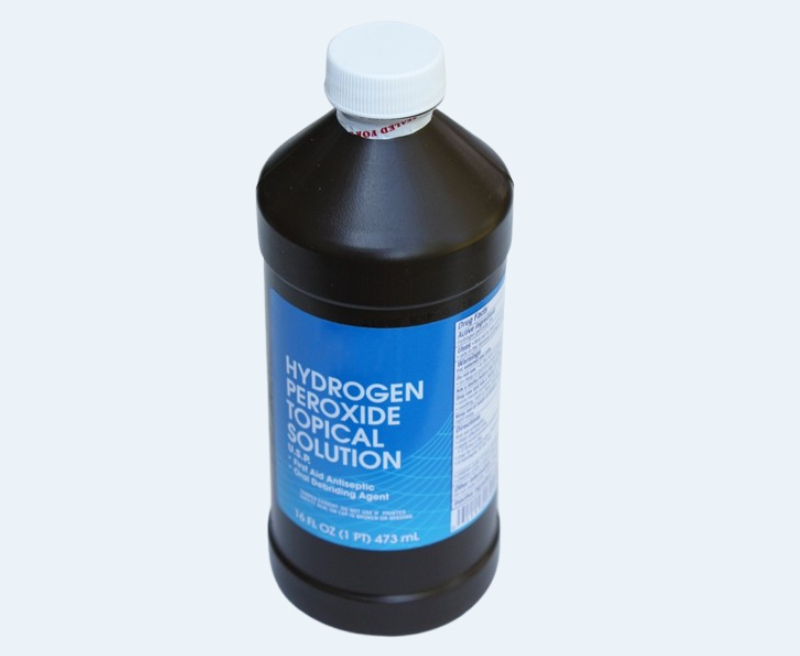
You probably have a brown bottle of hydrogen peroxide sitting under your bathroom sink right now. And you’ve might’ve heard from well-meaning friends and family members – or even so-called dental experts – that hydrogen peroxide is a fantastic home remedy when used as an oral rinse or whitening agent. But you might’ve also heard that hydrogen peroxide is caustic and harmful to your oral health. Which is true?
The bottom line is that while hydrogen peroxide can kill bad bacteria and the mouth and even whiten teeth in the short run, it should not be used either as an oral rinse or for teeth whitening purposes.
Why? Because it kills good bacteria in the mouth as well as bad bacteria. It’s also a very strong chemical that can be irritating and even wear down enamel over time, exposing dentin and making teeth look more yellow rather than more white!
That’s why, as a dentist focused on microbiome-friendly, evidence-based oral care, I don’t recommend hydrogen peroxide as a daily mouthwash. Keep reading to learn more.
Why Do People Tout the Benefits of Hydrogen Peroxide as a Mouthwash?
Hydrogen peroxide (H₂O₂) is a chemical compound often used as a disinfectant.
In dentistry, it can play a role in short-term antiseptic-based wound care. But many people mistakenly assume it’s safe to use regularly as a mouthwash. This is unwise.
People who plan on using peroxide as mouthwash often are hoping to:
- Kill germs
- Whiten teeth
- Freshen breath
- Improve gum health
What they’re really doing, however, is over sanitizing the mouth, throwing their oral microbiome and mouth pH off in the process.
3 Key Reasons Using Hydrogen Peroxide for Oral Health is Not a Good Idea
1. It Destroys Good Bacteria in Your Mouth
Like alcohol-based mouthwash, hydrogen peroxide doesn’t just kill the bad bacteria in your mouth. It also destroys the good microbes that fight off the bad microbes, protecting your teeth, gums, and overall immune system in the process. As you’ll note from the results of the study I’ve linked here, this is not pseudoscience. This is a researched-backed medical reality.
2. It Damages Oral Tissues (Even When Diluted)
Clinical research also shows that even low concentrations of hydrogen peroxide can significantly irritate the cheeks, gums, and tongue. According to one study, which compared a control group with a group using hydrogen peroxide as an oral rinse, “Significant mucosal abnormalities were observed…subjective complaints were numerous”.
The bottom line? Using even a 3% OTC peroxide rinse diluted to 1.5% by adding 50% water can cause side effects like burning, dry mouth, and soft tissue damage.
3. It Weakens & Dehydrates Enamel
Whether used as mouthwash or as a teeth whitening agent, hydrogen peroxide, when used frequently, can dehydrate and erode enamel. Over time, this exposes the yellow dentin underneath the enamel, making teeth look potentially worse than they did before the user started rinsing with peroxide.
(Many people use peroxide as a rinse for whitening properties alone, and if they do this over the years, they may be shocked to see their teeth turning more rather than less yellow!)
What to Use Instead
The bottom line, as I covered in a blog post on the difference between mouthwashes and oral rinses, is that “any antiseptic and hydrogen peroxide oral rinse benefits are far outweighed by the risks of regular use”.
So what do you use instead? Reach for an oral rinse that:
- Protects the oral microbiome
- Restores enamel
- Balances pH
- Freshens breath gently
Look for ingredients like nano-hydroxyapatite, xylitol, and prebiotics. These support your body’s natural defenses and promote long-term oral health without damaging your tissues or microbiome.
Upgrade Your Oral Care Routine with SuperMouth
Looking for a safe, dentist-developed and dentist-approved alternative to hydrogen peroxide mouthwash?
Try SuperMouth Mouthwash today! Available in flavors like vanilla, mint, and chocolate, and with or without fluoride, this microbiome-friendly rinse has everything you need for optimal oral health – and nothing you don’t want.