Blog Summary:
- Yes, toothpaste expires—typically after two years—especially fluoride types, which lose their cavity-fighting power over time.
- Expired toothpaste may still be safe short-term, but it’s less effective and can change in taste, texture, and performance.
- Unopened toothpaste still expires, though proper storage may extend usability slightly past the date.
- Replace toothpaste if it’s expired, smells odd, has a strange texture, or has been sitting for years.
- For optimal oral health at every age, try SuperMouth® toothpaste—pH-balanced, microbiome-safe, and free from harsh chemicals.
There’s nothing worse than heading to the bathroom, ready to get rid of your morning breath and realizing that you have no toothpaste left! But wait! Maybe you’ve managed to rummage up a tube somewhere only to realize that it’s expired! Is it safe to use, or does toothpaste go bad?
In this blog post, I’ll answer all your questions about expired toothpaste, including “Does unopened toothpaste expire?” (the answer is yes), “Is using toothpaste that’s expired safe?” (also usually yes), and “How long does toothpaste last after its expiration date?” (It depends).
I’ll also share my dentist-approved safe, effective, and pH-balanced toothpaste recommendations.
Without any further delay here’s everything you need to know about expired toothpaste.
Does Toothpaste Really Expire?
Like, really? (Yes, really). Toothpaste does absolutely expire, especially when it contains fluoride. This is why both the FDA and ADA require that toothpaste have an expiration date.
When Does Toothpaste Expire?
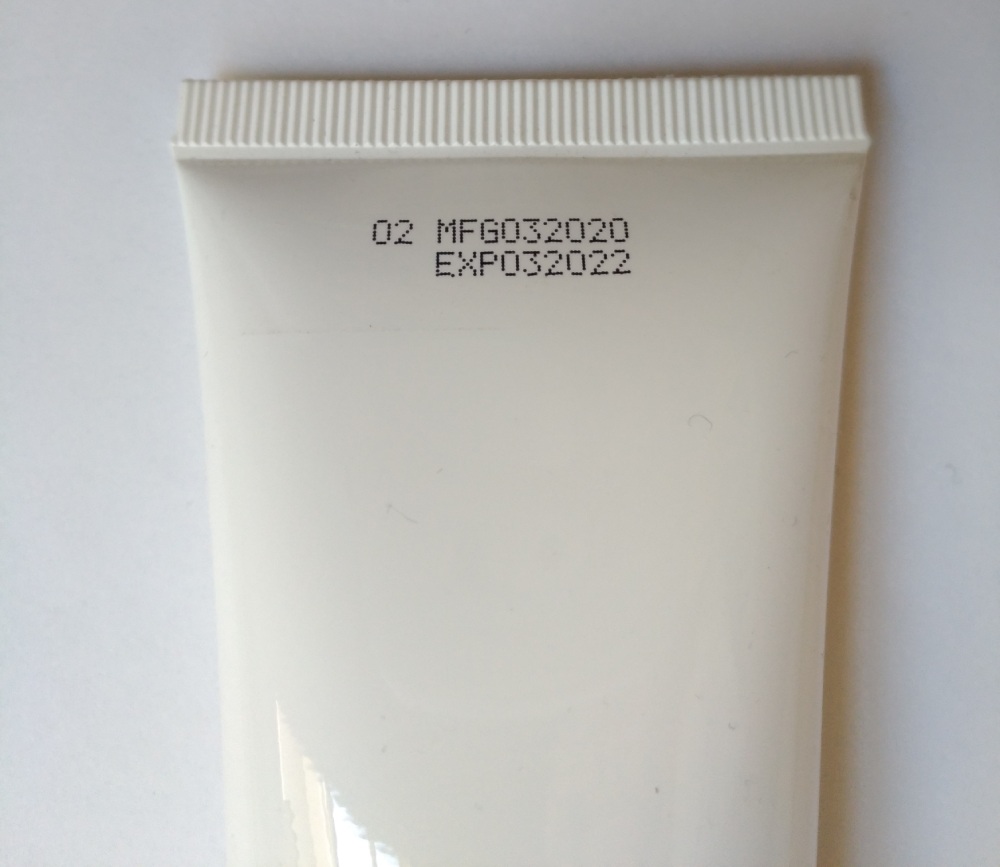
In most cases, toothpaste’s shelf life is up to around two years after it has been manufactured. In other words, if you notice a tube of toothpaste that has been manufactured over two years ago, it’s probably best to throw it out.
How do you know the manufacture date? That is normally written somewhere on the tube! Sometimes, the crimped end of the tube has the expiration date printed on it. Sometimes, however, the expiration date is on the box instead of or in addition to being on the end of the tube.
Has your toothpaste been sitting in a drawer or cabinet forgotten for a while? Be sure to check its expiration date before using it! Here’s why…
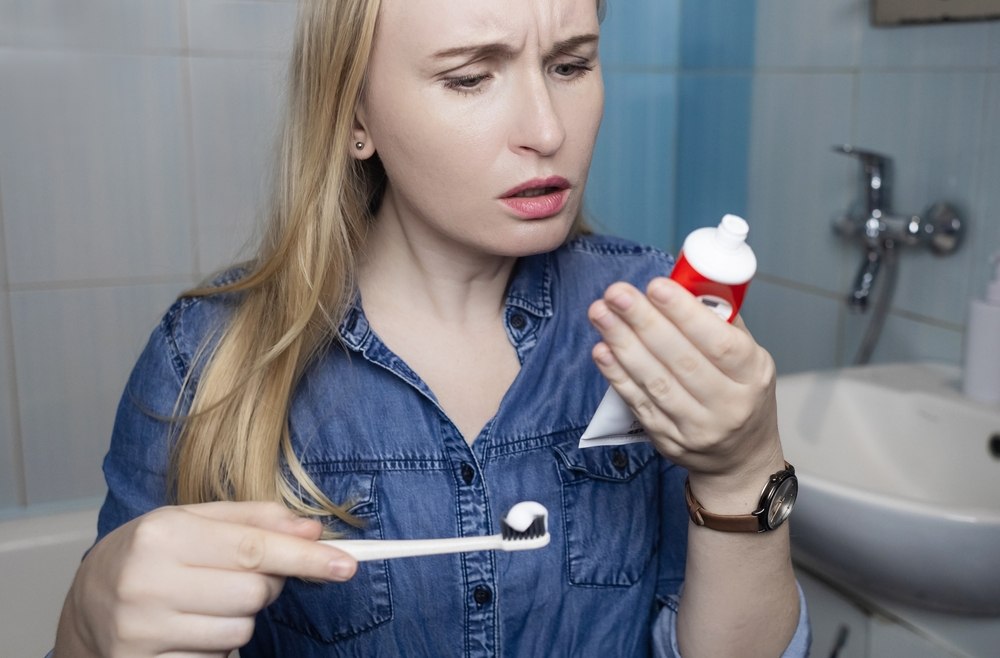
What Happens When Toothpaste Expires & Can You Use Expired Toothpaste?
Toothpaste’s flavor, texture, consistency, and most importantly, its efficacy all can change over time, especially after its expiration date.
But does any of that mean that you can’t use expired toothpaste? The answer to that question isn’t as clear-cut as you might think. That’s because, yes, you can generally use expired toothpaste, and no, it’s not normally too much of a safety risk.
However, should you use expired toothpaste? No. That’s because in most cases, expired toothpaste is not nearly as effective as new toothpaste. For instance, fluoride toothpaste in particular loses its anticavity properties over time.
The Bottom Line: While it may be safe to use expired toothpaste, it might not protect your teeth from decay or strengthen enamel in the way that it should.
In a pinch, with no other options available, you can usually feel free to use expired toothpaste once or twice. But you should pitch it ASAP and get a new tube to help protect your teeth and gums over the long run!
Learn about what type of toothpaste to use here.
How Long Does Toothpaste Last After its Expiration Date?
Toothpaste might still be usable with no noticeable changes in consistency or flavor for up to 6 months past its expiration date, if it was stored correctly, and has not been opened. That said, its effectiveness does drop significantly after the expiration date. The longer you wait to use it, the more risk involved. Fresh toothpaste that’s unexpired simply offers the best protection.
Signs It’s Time to Replace Your Toothpaste
Here are some indicators that it’s time to get a new tube of toothpaste!:
- It’s expired
- It smells odd
- You notice a change in texture or a strange texture
- You’re not sure how old it is/it’s been sitting unopened for several years
Keep Teeth Shiny, Clean, & Protected with SuperMouth Toothpaste
SuperMouth® toothpaste is specially formulated to support your mouth’s natural microbiome while avoiding harsh irritants and chemicals. It is:
- Safe for all ages
- Free from artificial dyes, sulfates, and SLS
- Kid-approved flavors
- Designed for different age groups and dental needs
- Thoughtfully packaged and science-backed
Whether you’re brushing tiny toddler teeth or looking for the perfect toothpaste to support braces or whitening, SuperMouth has something for every Super Smile.
Order yours today and upgrade your family’s oral health routine the Super way!
FAQs About Expired Toothpaste
Can expired toothpaste make you sick?
Expired toothpaste is unlikely to make you sick if it has been stored properly. However, if it smells strange, has separated, or tastes unusual, it’s best to throw it away.
Does fluoride stop working in expired toothpaste?
Yes. Fluoride becomes less effective over time, which means expired toothpaste may not protect against cavities or strengthen enamel as well as fresh toothpaste.
Can heat or humidity make toothpaste expire faster?
Yes. Heat and moisture can break down toothpaste ingredients more quickly and affect the product’s texture, flavor, and effectiveness.
Is natural toothpaste more likely to expire quickly?
Sometimes. Natural toothpaste may contain fewer preservatives, which can shorten shelf life compared to conventional toothpaste.
Does children’s toothpaste expire too?
Yes. Children’s toothpaste expires just like adult toothpaste, especially fluoride formulas designed to help prevent cavities.